16401640s–1816 · Barbados
Barbados: sugar, the slave code and Bussa's rising
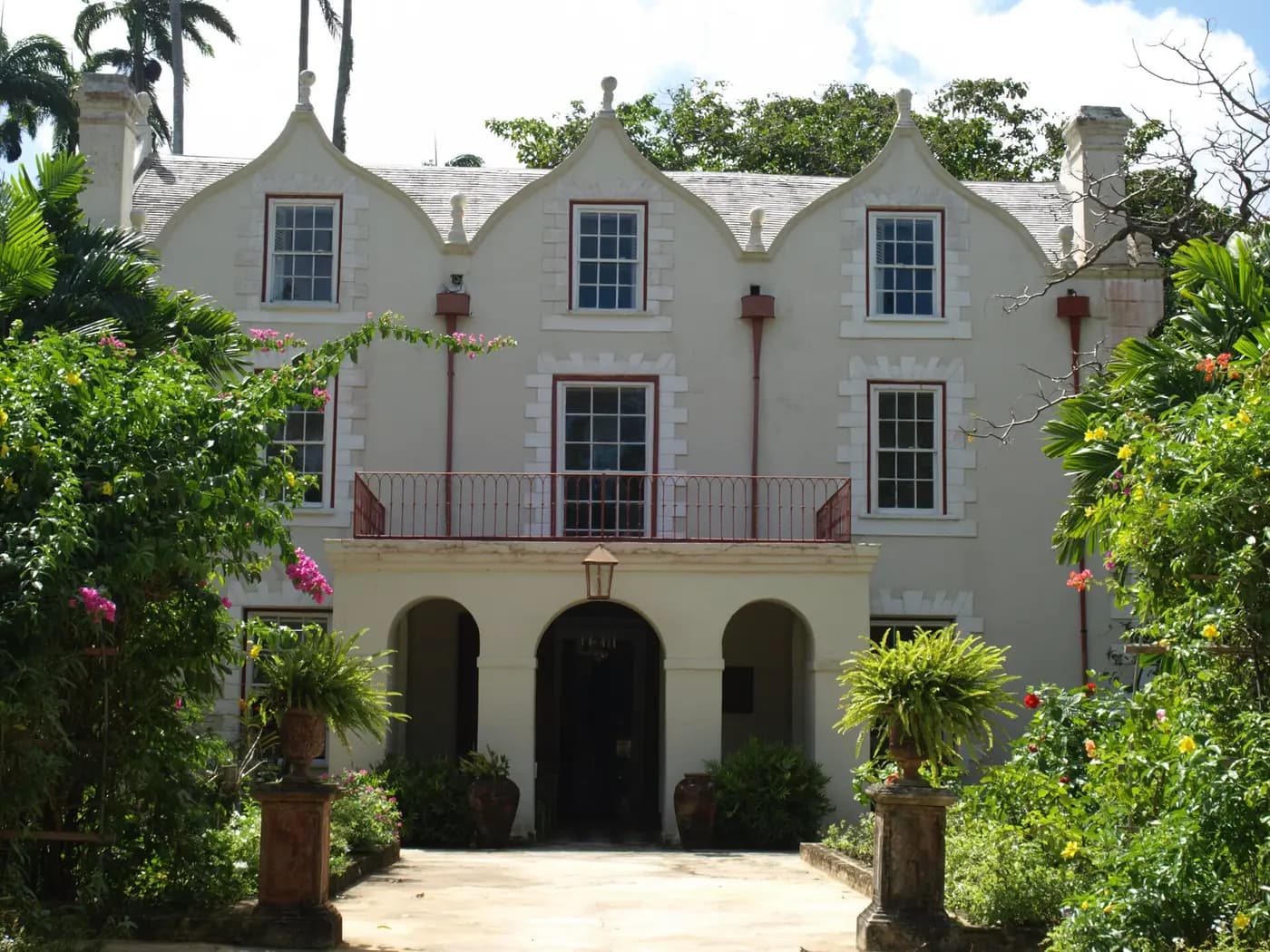
From the 1640s English planters on Barbados turned from tobacco to sugar grown by enslaved Africans, making the island England's richest colony. Its 1661 slave code, which treated enslaved people as property, was copied in Jamaica and South Carolina, spreading the plantation model across the Caribbean and the American South. In 1816 the island's largest uprising, named after the African-born Bussa, was crushed.
Sites
- Site 1: St Nicholas Abbey, St PeterPlantation house of about 1658, with a steam-driven sugar mill.Map ↗
- Site 2: Barbados Museum, St Ann's GarrisonFormer military prison with galleries on the island's African history and slavery.Map ↗
- Site 3: Emancipation Statue, St MichaelStatue of a man breaking his chains, known as Bussa, at Haggatt Hall.Map ↗
Guides who take you there
History-only · order never for saleWe haven't found an independent history guide for this yet. Guide here? Tell us about your tours.
More from the Renaissance & Early Modern


Read more: reference. Summary written by History-Tours.com.