668668–676 · Gyeongju
Silla unifies the Korean peninsula
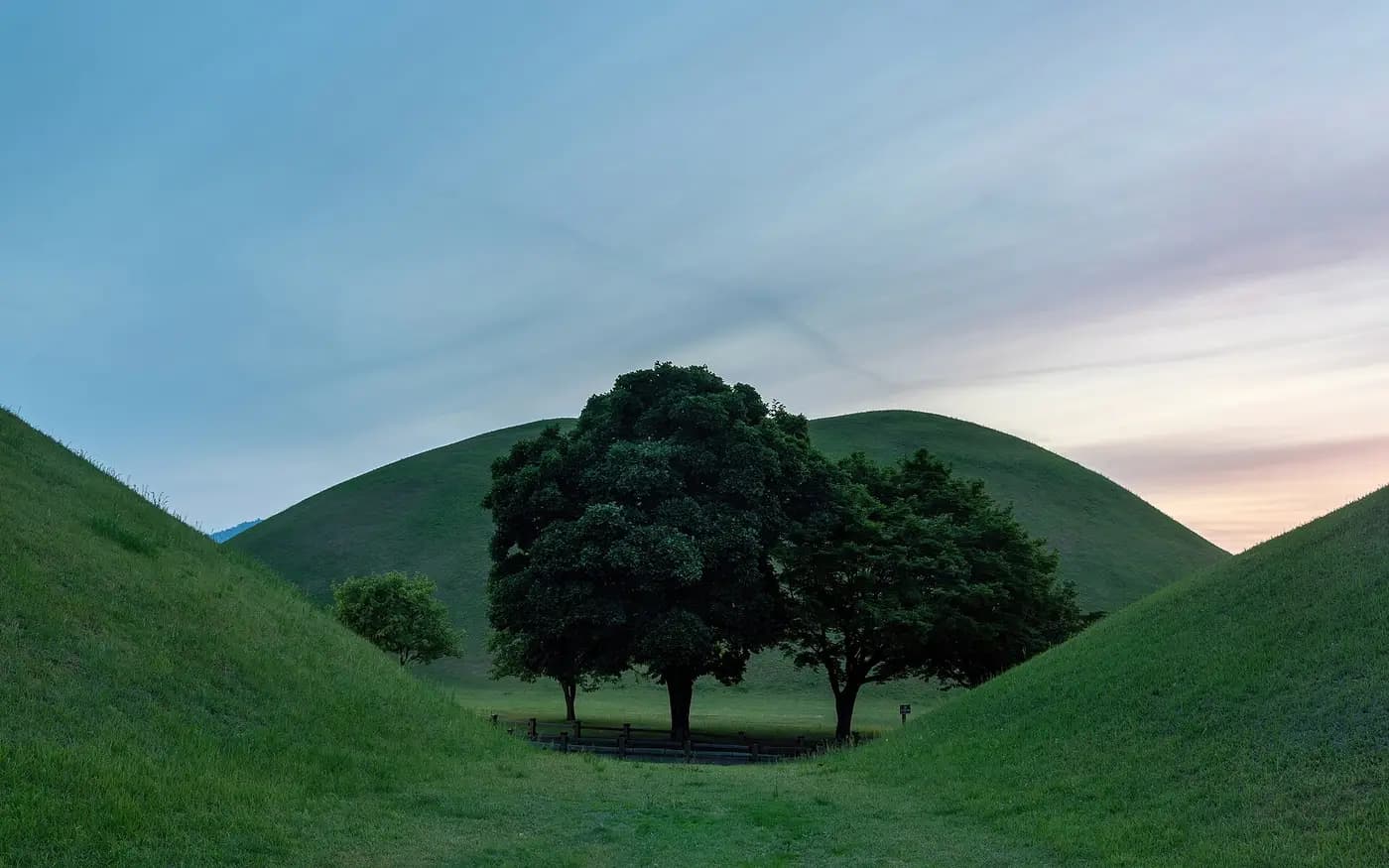
Allied with Tang China, the kingdom of Silla conquered Baekje in 660 and Goguryeo in 668, then drove the Tang armies out by 676, bringing most of the peninsula under one state for the first time. From its capital at Gyeongju, Unified Silla built the Buddhist temple of Bulguksa and the Seokguram grotto, while royal burial mounds from earlier centuries still rise across the city.
Sites
Guides who take you there
History-only · order never for saleWe haven't found an independent history guide for this yet. Guide here? Tell us about your tours.
Also in Busan & Gyeongju


More from the Medieval


Read more: reference. Summary written by History-Tours.com.