1700Early 1700s – 1762 · Upper Suriname River
Suriname's Maroons and the freedom treaties of 1760–1762
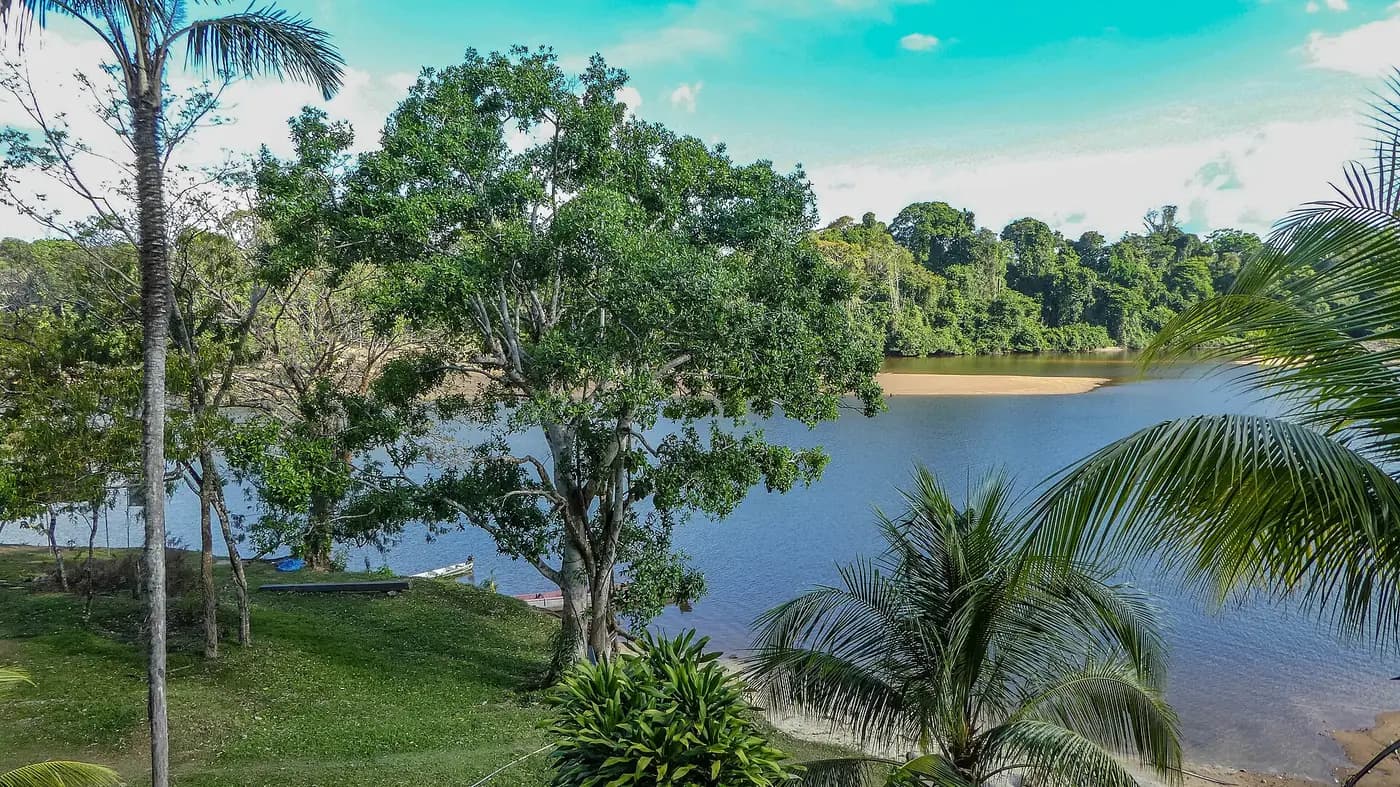
Enslaved Africans who escaped Suriname's plantations formed Maroon communities in the rainforest and fought the colony for decades. In 1760 the Ndyuka and in 1762 the Saamaka forced the Dutch to sign treaties recognising their freedom and territory, a century before slavery was abolished. Their descendants keep their own languages, religion and woodcarving, and in 2007 the Saamaka won a landmark land-rights case at the Inter-American Court.
Sites
Guides who take you there
History-only · order never for saleWe haven't found an independent history guide for this yet. Guide here? Tell us about your tours.
More from the 18th & 19th Century



Read more: reference. Summary written by History-Tours.com.