18121812–1972 · River Clyde, Glasgow
Shipbuilding on the Clyde
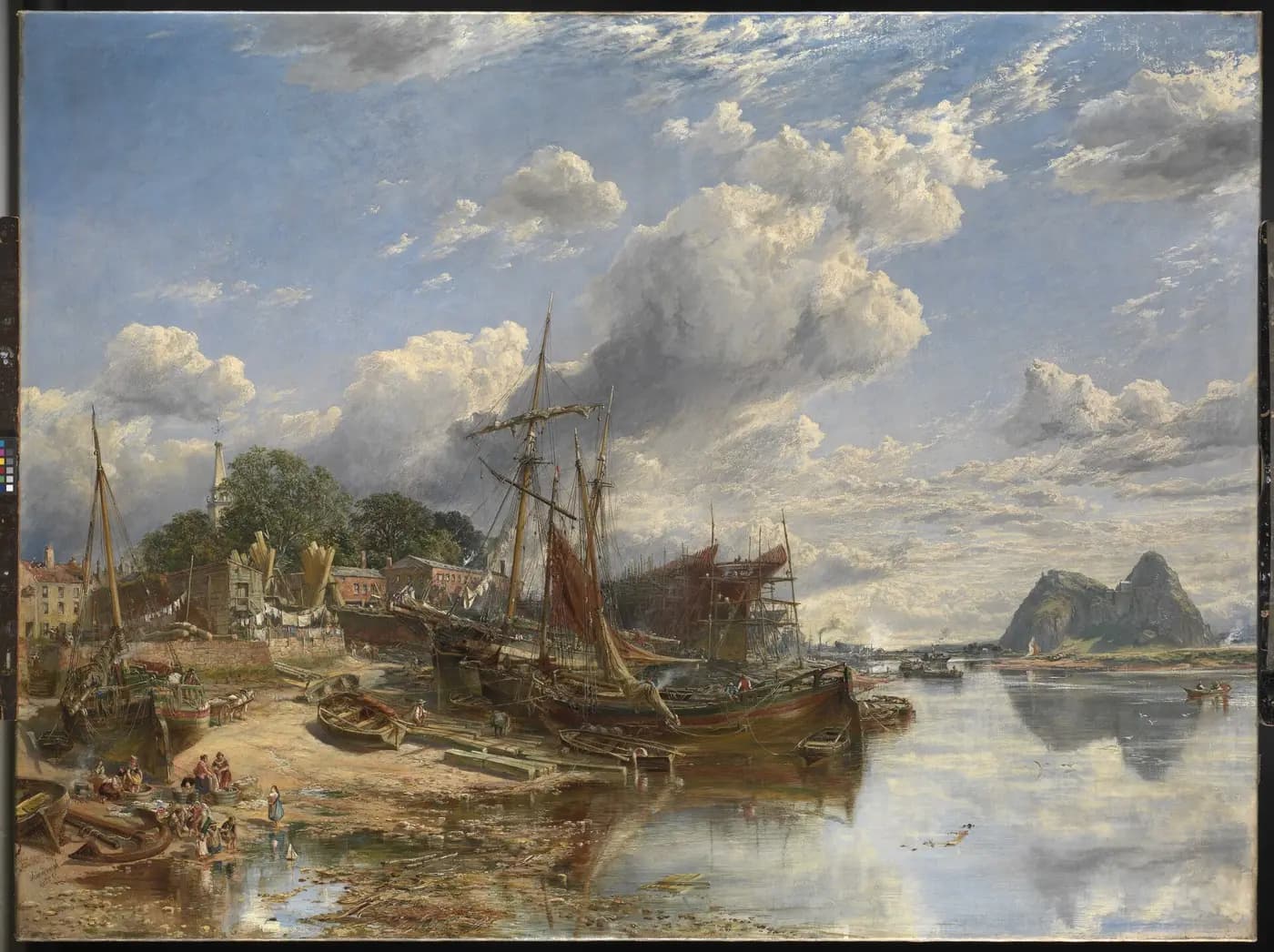
From Henry Bell's steamboat Comet of 1812 to the great liners of the 20th century, the Clyde became one of the world's main shipbuilding rivers; by 1913 its yards launched about a fifth of the world's new ships. Tens of thousands worked in Govan, Clydebank and Port Glasgow. Decline after the 1950s led to the Upper Clyde Shipbuilders work-in of 1971–72.
Sites
- Site 1: Riverside Museum and the tall ship GlenleeTransport museum on a former shipyard site, with an 1896 Clyde-built sailing ship.Map ↗
- Site 2: Titan Crane, ClydebankGiant crane of 1907 at the John Brown yard, which built the Queen Mary.Map ↗
- Site 3: Fairfield Heritage Centre, GovanVictorian shipyard offices telling the story of Govan's yards.Map ↗
Guides who take you there
History-only · order never for saleWe haven't found an independent history guide for this yet. Guide here? Tell us about your tours.
Also in Glasgow and Stirling
More from the 18th & 19th Century



Read more: reference. Summary written by History-Tours.com.